The carnivore diet: A simple guide to the all-meat lifestyle

The carnivore diet has made headlines for its bold simplicity — eat only animal products, skip everything else. No plants, no grains, no sugar. For some, it’s a shortcut to weight loss, mental clarity, or digestive relief. For others, it raises red flags.
Written by Anna Koss
A seasoned writer & editor at StarFit. A former competitive figure skater and aerobics instructor. When she’s not crafting content, you’ll find her hiking or training for the next half-marathon.

Here Is Your Gift From StarFit
Elevate Your Fitness Skill with StarFit – Work Out Anytime, Anywhere! With promo code MEDIA get
🔥70% OFF to Your Membership🔥
So what’s the truth behind this controversial diet? In this guide, we break down what the carnivore diet is, who it might help (and hurt), what you can eat, and what science has to say.
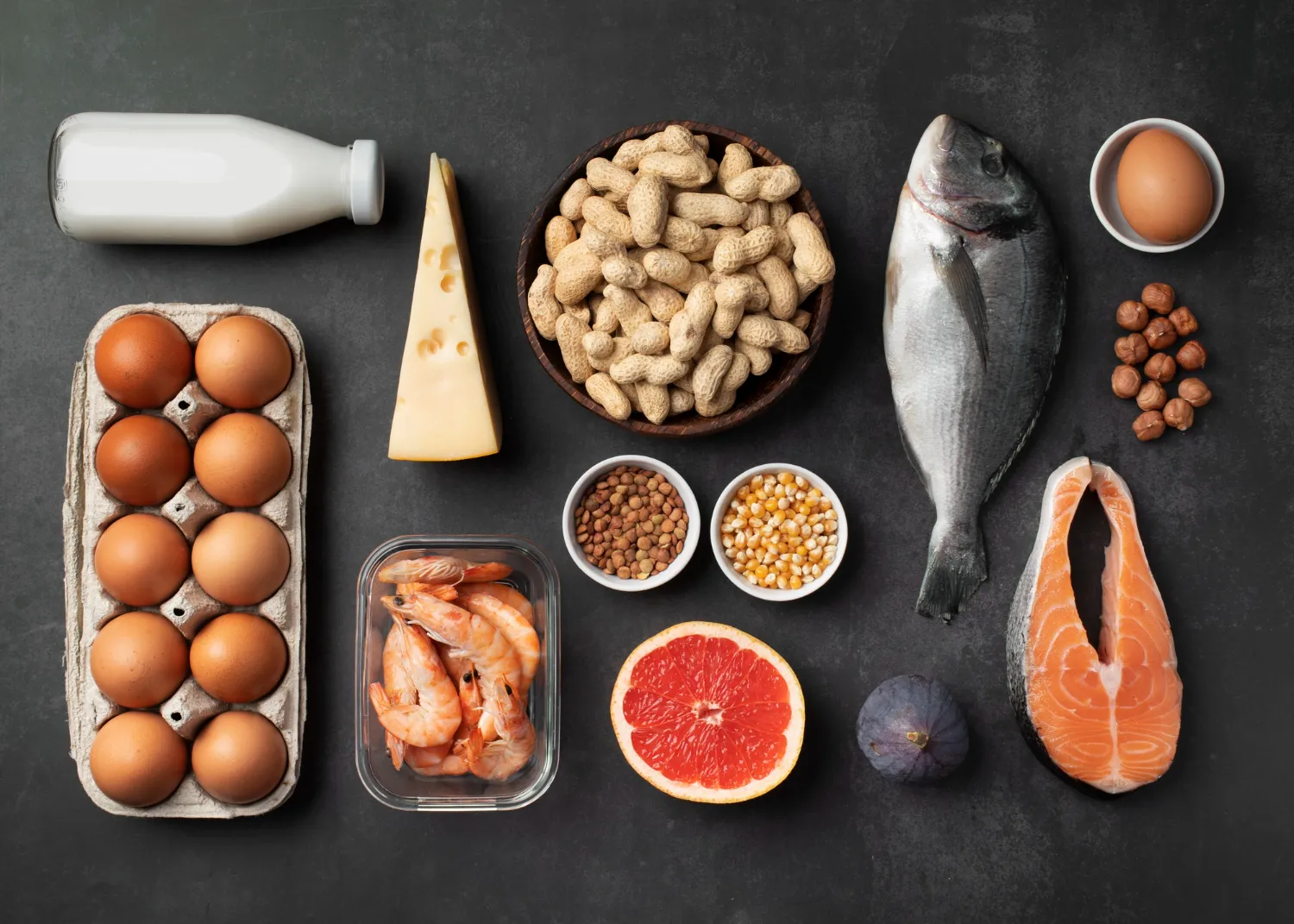
Always talk to a healthcare provider or dietitian before starting an extreme dietary shift.Source:Freepik
What is the carnivore diet?
The carnivore diet is exactly what it sounds like — a way of eating that eliminates all plant-based foods and focuses entirely on animal-based products. Think beef, chicken, fish, eggs, and organ meats. Most followers also exclude dairy, with some exceptions like butter or hard cheese.
It’s essentially a zero-carb, high-fat, high-protein diet.
What can you eat on a carnivore diet?
Here’s what’s typically on the menu:
-
Beef, lamb, pork, and game meats
-
Poultry and fish
-
Organ meats (like liver, heart, kidneys)
-
Eggs
-
Animal fats (tallow, lard, butter)
-
Optional: minimal dairy (if tolerated)
Strict versions allow only salt and water — no spices, coffee, or sauces.
Potential benefits
Supporters of the carnivore diet claim impressive results, including:
-
Weight loss and body fat reduction
-
Stable blood sugar and reduced cravings
-
Mental clarity and improved focus
-
Digestive relief (especially for those with IBS or autoimmune conditions)
-
Simplicity — no need to count calories or carbs
Some of these benefits may overlap with other low-carb or elimination diets.
Risks and drawbacks
The diet is highly restrictive and may lead to:
-
Nutrient deficiencies, especially fiber, vitamin C, and phytonutrients
-
**Elevated cholesterol**or lipid profiles
-
Social limitations and disordered eating patterns
-
Unknown long-term effects — research is limited and largely anecdotal
It's not recommended for pregnant women, people with kidney issues, or anyone without medical guidance.
🥩 Curious about trying a simple, goal-focused approach to health — without going full carnivore? **Join StarFit for expert-led workouts tailored to your goals — now 70% OFF with code MEDIUM.**Plus, get access to a curated library of healthy, high-protein recipes to support your journey.
Sample one-day carnivore meal plan
Breakfast: 3 scrambled eggs in beef tallow + 2 slices of bacon
Lunch: Ribeye steak + bone broth
**Snack:**Hard-boiled eggs or beef jerky (no sugar)
**Dinner:**Grilled salmon + beef liver
Hydration: Water, optional black coffee (if tolerated)
Looking for healthy recipes? Don’t miss our helpful collection — simple, tasty, and good for you! 💚
Is the carnivore diet right for you?
It might help short-term if you're struggling with inflammation, blood sugar swings, or autoimmune symptoms — but it’s not a one-size-fits-all solution. The best diet is one you can sustain, both physically and mentally.

The carnivore diet is exactly what it sounds like — a way of eating that eliminates all plant-based foods and focuses entirely on animal-based products.Source:Freepik
Always talk to a healthcare provider or dietitian before starting an extreme dietary shift.
✅Train smart. Stay consistent. Feel stronger every day.
🎉 Get70% OFF your StarFit subscription with our exclusive promo!
👉MEDIUMAccess guided workouts, track your progress, and explore healthy recipe ideas — all in one app designed to help you thrive.
Act now — this deal won’t last forever!